




Fall is an important season for Arkansas and Texas farmers and landowners. As temperatures begin to change and livestock routines shift, it is a good time to inspect the property’s fencing and address problems before they become more difficult to manage.
Reliable agricultural fencing does much more than mark a property line. It can help contain livestock, protect crops, organize pastures, and make daily farm operations more manageable. For landowners planning upgrades, fall can be an ideal opportunity to strengthen the property’s fencing before winter arrives.
Start With a Thorough Fence Inspection
Before deciding whether to replace or repair a fence, walk the entire property and look for signs of deterioration. A fence that appears fine from a distance may have problems that are easy to overlook.
Pay particular attention to:
- Loose or leaning posts
- Broken wires or damaged panels
- Gates that no longer close securely
- Gaps underneath the fence
- Rust or corrosion
Small problems are often easier and less expensive to address than major failures. A regular inspection can also help identify areas that may need stronger materials or additional support.
Agricultural Fencing Has a Practical Purpose
Farm fencing needs to work in demanding conditions. It may need to withstand livestock pressure, weather exposure, equipment activity, and years of daily use.
That is why choosing the appropriate type of farm fencing is so important. The right system depends on the animals being contained, the size of the property, the terrain, and how the land is being used.
A cattle pasture, horse property, crop area, and mixed-use farm may all require different fencing solutions.
Choosing the Right Livestock Fence
Livestock fencing should be selected based on the animals and the purpose of each enclosure.
For example, cattle require fencing that can withstand considerable pressure. Horses may require a system designed with visibility and animal safety in mind. Smaller livestock can have different containment requirements.
A knowledgeable fence company can help landowners determine what type of livestock fence makes sense for each area of the property.
The goal is not simply to create a barrier. It is to create a dependable system that supports safe and efficient farm management.
Weather Can Put Fencing to the Test
Arkansas and Texas can experience significant changes in weather throughout the year. Heavy rain, strong winds, heat, humidity, and seasonal storms can gradually affect fencing materials and structural components.
Fall maintenance provides an opportunity to address weaknesses before winter weather adds more stress.
Properly installed agricultural fencing can perform reliably for years, but even durable materials benefit from regular inspections. Clearing vegetation and checking posts, connections, and gates can help preserve the system.
Gates Deserve Just as Much Attention
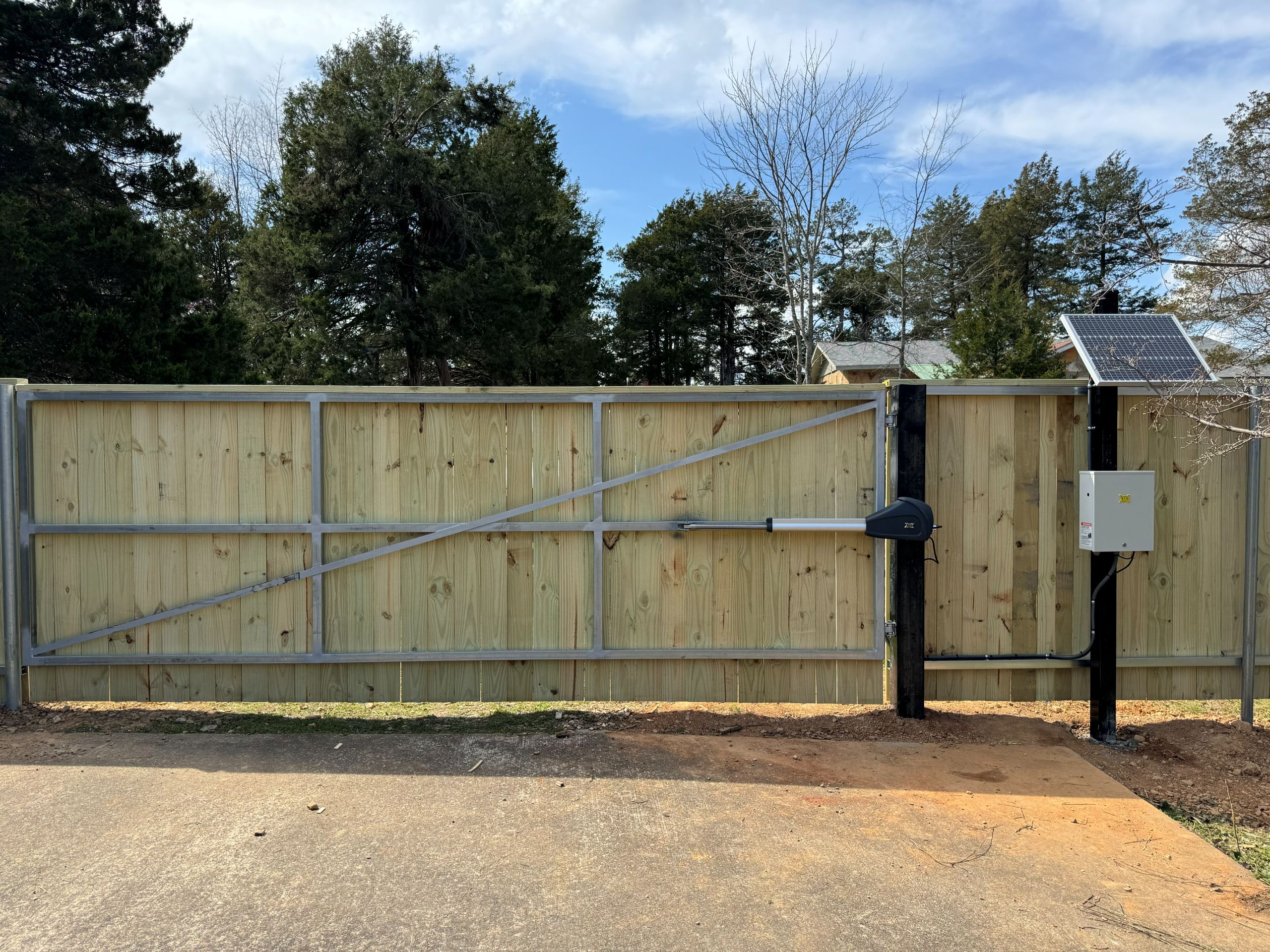
A farm fence is only as practical as its access points. Gates need to withstand repeated opening and closing while remaining properly aligned.
A gate that drags, sags, or fails to latch can create unnecessary inconvenience and may compromise containment.
When planning a fence installation, it is important to consider where equipment, vehicles, livestock, and people need to move through the property. Proper gate placement can make daily operations considerably easier.
When Should You Repair or Replace?
Not every fencing problem requires a complete replacement. Some sections may be restored with targeted repairs, while severely damaged areas may be better candidates for replacement.
A professional assessment can help determine whether repair or new fence installation provides the better long-term solution.
Why Professional Installation Matters
Agricultural properties can cover large areas, making proper planning particularly important. Uneven terrain, long fence runs, access points, and existing structures all need to be considered.
Professional fence installation helps ensure posts are positioned correctly and fencing remains properly aligned throughout the property. Experienced installers can also identify potential challenges before construction begins.
For landowners searching for a fence company, working with an experienced contractor can make a large project more manageable.
Build Before a Small Problem Becomes a Bigger One
A damaged section of fencing may seem like a minor inconvenience until livestock escape, equipment damages another section, or severe weather causes additional deterioration.
Investing in reliable agricultural fencing can help reduce these risks. It provides a stronger foundation for managing the property and can reduce the need for repeated emergency repairs.
Fall is a good time to take a proactive approach. Addressing fencing needs before winter gives landowners greater confidence heading into the next season.
Dependable Fencing for Arkansas and Texas Properties
Bill’s Fence Co. understands that agricultural properties have different requirements from standard residential or commercial projects. Our team provides fencing solutions designed around the property’s intended use, terrain, and long-term needs.
From farm fencing and livestock containment to gates and larger perimeter projects, we focus on durable construction and dependable installation.
If your farm or ranch needs new agricultural fencing before the seasons change, contact Bill’s Fence Co. today. Schedule a consultation and let our team help you build a fencing system that supports your property for years to come.