




Not every property needs a fence designed to remain in place for decades. Construction sites, events, renovations, expanding businesses, and temporary work areas may require a different approach. In these situations, temporary fencing can provide practical protection without committing to a permanent installation.
For property owners and project managers considering fencing and gates, the right choice depends on how long the barrier will be needed, what it needs to accomplish, and how the property is expected to change. Understanding the difference between temporary and permanent fencing can help you select a solution that provides the right balance of security, flexibility, and value.
When Temporary Fencing Makes Sense
Temporary fencing is designed for situations where a perimeter is needed for a limited period. It can help separate active work zones, restrict access, protect materials, and guide people around areas that are not currently safe or available for use.
Common applications include:
- Construction and renovation projects
- Temporary storage areas
- Outdoor events
- Property improvements
- Utility and infrastructure work
A temporary fence can be especially useful when the layout of a property is expected to change. Rather than installing a permanent structure that may need to be removed later, a temporary system provides flexibility.
The Advantages of Permanent Fencing
Permanent fencing is intended to become a lasting part of the property. It is generally a better choice when the boundary, security needs, and property layout are expected to remain relatively stable.
For businesses and property owners making a long-term investment, permanent fencing often provides greater value over time.
Consider the Purpose Before Choosing
The first question to ask is simple: What does the fence need to accomplish?
If the primary goal is to temporarily keep people away from a construction area, a temporary fence may be sufficient. If the goal is to permanently secure a warehouse, define a commercial property, protect a residential yard, or manage an agricultural area, a permanent system may be more appropriate.
Understanding the purpose helps prevent property owners from paying for a solution that does not match their actual needs.
Chain Link Can Work for Both Applications
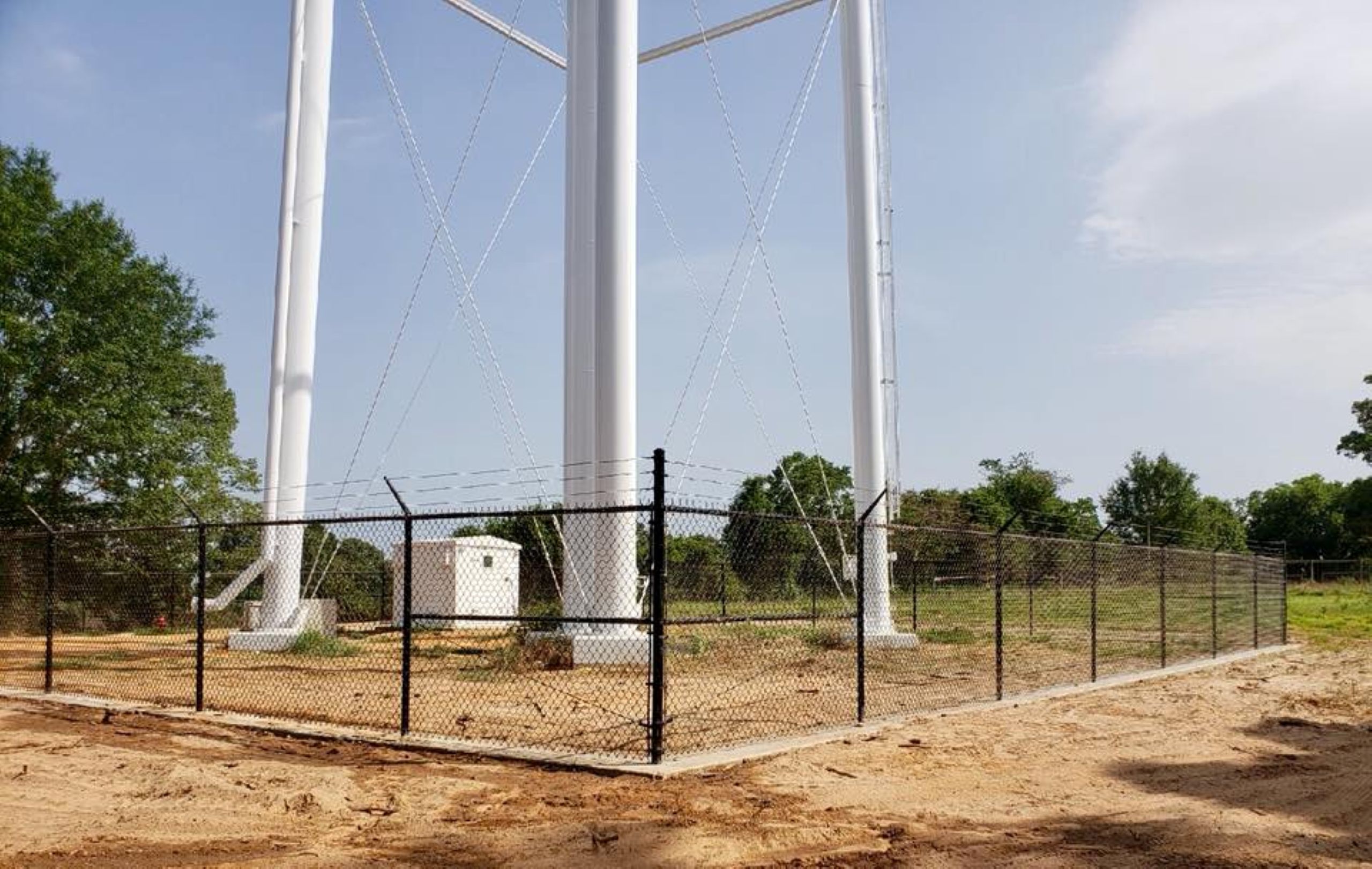
Chain link fencing is a versatile option that can be used in a variety of settings. Temporary chain link systems can provide practical perimeter control, while permanent installations can deliver years of security and durability.
A chain link fence company can help determine which configuration makes sense based on the property and intended use.
For commercial properties, permanent chain link fencing can be particularly useful around warehouses, equipment areas, storage facilities, and industrial sites.
Installation Requirements Are Different
Temporary fencing generally requires less permanent site preparation because the system is designed to be removed or relocated. Permanent fence installation, on the other hand, requires more careful planning and preparation.
Permanent posts need to be positioned appropriately, and the fence layout should account for property boundaries, terrain, gates, and long-term use.
Working with experienced fence contractors can help ensure the installation approach matches the type of fencing being used.
Think About Security Needs
Security requirements should also influence your decision.
Temporary fencing can provide a useful barrier, but it may not offer the same level of structural permanence as a professionally installed permanent fence. For properties containing expensive equipment, inventory, machinery, or other valuable assets, a permanent security system may provide a stronger long-term solution.
Permanent fencing can also be combined with security gates and other access features to create a more controlled perimeter.
Consider How the Property Will Change
Property plans can change quickly, especially for businesses and developers. A company may be expanding a facility, renovating an existing building, or preparing a site for future construction.
Temporary fencing gives property owners the ability to adapt as work progresses. Once the project is complete, a permanent fence can be installed based on the property’s final layout.
This approach can prevent unnecessary investment in fencing that will eventually interfere with construction or development plans.
Cost Is Only One Part of the Decision
It can be tempting to choose the least expensive fencing option. However, the most affordable solution upfront is not always the most cost-effective over time.
For a short-term project, investing heavily in a permanent fence may not make sense. For a property that needs long-term security, repeatedly replacing temporary fencing may eventually cost more than installing a permanent system.
Consider both the immediate expense and how long the fence will need to serve its purpose.
Professional Guidance Can Help
Choosing between temporary and permanent fencing does not have to be complicated. An experienced fencing contractor can evaluate the property, understand the project’s objectives, and recommend an appropriate solution.
Bill’s Fence Co. provides fencing solutions for residential, commercial, industrial, agricultural, and construction applications across Arkansas and Texas.
Our team can help you determine whether a temporary barrier or permanent fence installation is better suited to your project.
Choose the Fence That Fits Your Project
Temporary and permanent fencing each have their place. The right choice depends on your timeline, security requirements, property plans, and long-term goals.
If you need help choosing between the two, contact Bill’s Fence Co. today. Our team can discuss your project, explain your fencing options, and help you find a dependable solution that fits the way you plan to use your property.